
Resin Matrix Systems
Engineered resin systems formulated for compatibility with carbon, glass and aramid reinforcement fabrics — delivering reliable wet-out, controlled cure and predictable mechanical performance across composite manufacturing processes.
What Are Resin Matrix Systems?
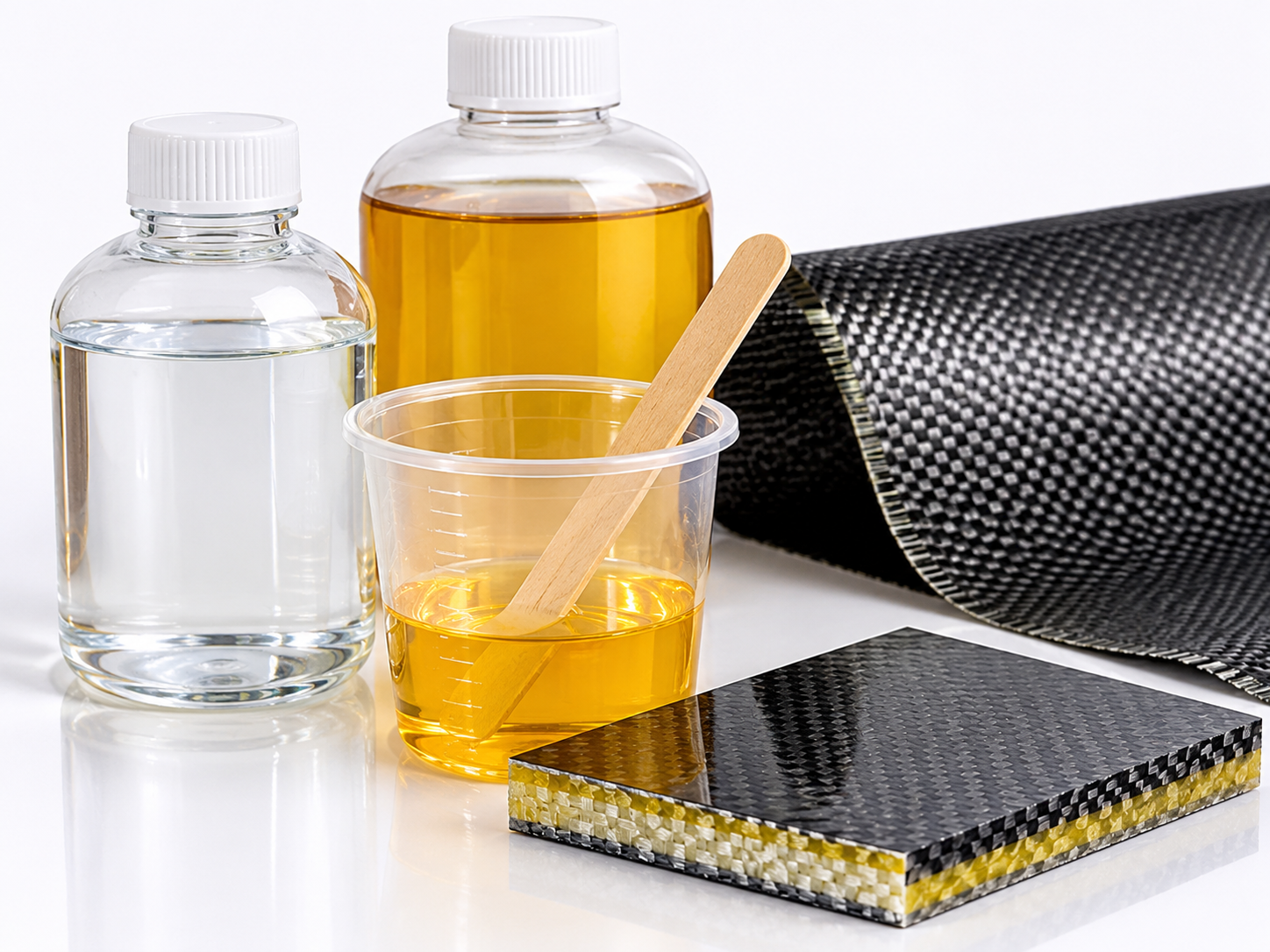
In a composite material, the resin matrix binds the reinforcement fibers together, transfers load between them and protects them from environmental attack. The choice of resin system directly affects processing behavior, mechanical properties, thermal resistance and chemical durability of the finished composite.
Mahaveer Composites supplies resin matrix systems formulated for compatibility with carbon, glass and aramid fabrics. Our range covers the common thermosetting resin families used in composite manufacturing, with options to suit hand layup, vacuum infusion, RTM and press molding processes.
We work with customers to match resin system, hardener and cure profile to the reinforcement, process and end-use environment — so the final laminate performs as designed.
Technical Specifications
Resin matrix systems are supplied in different chemistries and cure profiles. Please contact us with your reinforcement, process and performance requirements for exact availability.
| Parameter | Available Range / Options |
|---|---|
| Resin Types | Epoxy, polyester and vinyl ester resin systems |
| Compatible Reinforcement | Carbon fiber, glass fiber and aramid fiber fabrics |
| Processing Methods | Hand layup, vacuum infusion, RTM and press molding |
| Cure Profile | Room temperature and elevated temperature cure systems available |
| Mix Ratio | Defined per resin and hardener combination |
| Pot Life / Gel Time | Available in different working times to suit part size and process |
| Viscosity | Formulated for hand layup, infusion or RTM as required |
| Packaging | Available in containers suited to sample, trial and production quantities |
Exact mix ratio, pot life, viscosity and cure profile depend on the selected resin and hardener combination. Please share your reinforcement, process and performance requirements and our team will confirm a suitable specification.
Resin Types We Supply
Common thermosetting resin families used in composite manufacturing.
Epoxy Resin Systems
High mechanical properties, good adhesion and low shrinkage — widely used in aerospace, motorsport and high-performance composites.
Polyester Resin Systems
Cost-effective general-purpose resin with good handling characteristics — suitable for many industrial and marine composite parts.
Vinyl Ester Resin Systems
Improved chemical and moisture resistance compared with polyester — used in pipes, tanks and corrosion-resistant structures.
Room Temperature Cure
Systems that cure at ambient temperature for hand layup and field repair applications without oven curing.
Elevated Temperature Cure
Systems designed for oven or heated tooling cure, delivering higher mechanical and thermal performance.
Infusion-Grade Resins
Low-viscosity formulations designed for vacuum infusion, RTM and other closed-mold processes.
Key Performance Characteristics
Why resin selection matters in composite manufacturing.
Reliable Fiber Wet-Out
Formulations designed to wet out carbon, glass and aramid reinforcement consistently, supporting strong fiber-matrix bonding.
Controlled Cure Profile
Predictable gel time and cure behavior help maintain consistent laminate quality across production runs.
Mechanical Performance
Resin systems selected for the required balance of strength, stiffness, toughness and thermal resistance.
Chemical Resistance
Vinyl ester and epoxy options provide improved resistance to moisture, chemicals and environmental exposure.
Process Compatibility
Viscosity and working time matched to hand layup, vacuum infusion, RTM and press molding processes.
Application Support
Guidance on mix ratio, pot life, cure schedule and compatibility with the selected reinforcement fabric.
Resin & Reinforcement Compatibility
A quick reference for matching resin systems with reinforcement fabrics.
| Resin Type | Carbon Fiber | Glass Fiber | Aramid Fiber |
|---|---|---|---|
| Epoxy | Excellent — high performance, good adhesion | Excellent — widely used general composite resin | Good — commonly used in hybrid and protective laminates |
| Polyester | Good — cost-effective for non-critical parts | Excellent — most common general-purpose resin | Good — used in impact-resistant and marine parts |
| Vinyl Ester | Excellent — good adhesion and chemical resistance | Excellent — used in pipes, tanks and marine structures | Good — suitable for corrosion-resistant laminates |
Typical Applications
Resin matrix systems are used across industries where composite performance depends on the matrix.
Aerospace and motorsport composite structures
Marine hulls, decks and boat repair applications
Pipes, tanks and corrosion-resistant industrial equipment
Wind energy blades and renewable energy structures
Automotive and transport body panels and components
UAV airframes and lightweight structural parts
Construction panels and structural strengthening systems
Prototyping, repair and small-scale composite fabrication
Quality-Focused Resin Supply
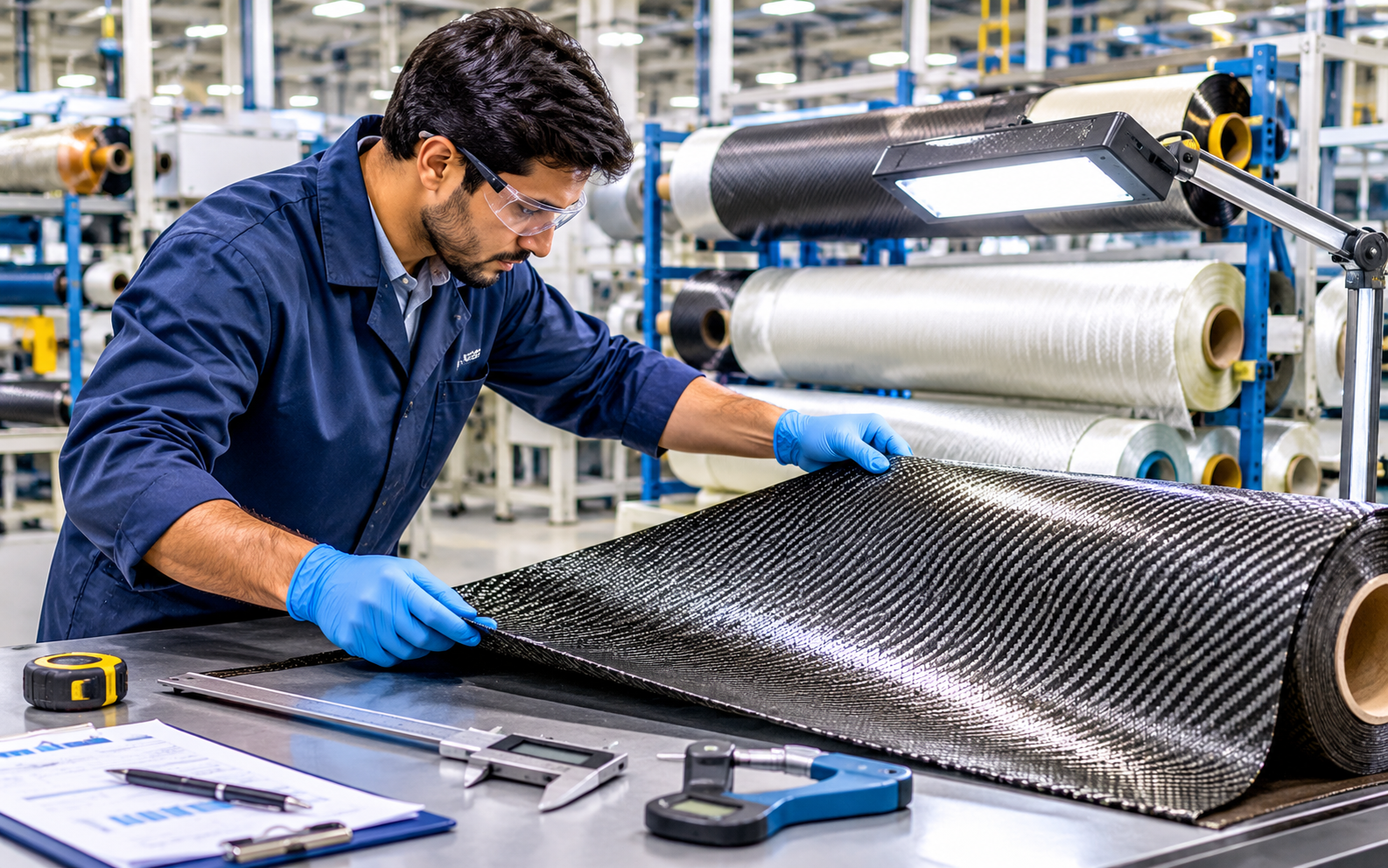
Resin matrix performance depends on consistent chemistry, correct mix ratio and proper cure. We work with customers to confirm the resin system, hardener and cure schedule for their reinforcement, process and application.
Our role is to help customers select the right resin family and formulation, and to provide practical handling guidance so the resin performs as expected in production.
- ✓ Confirmation of resin type, hardener and mix ratio before supply
- ✓ Guidance on pot life, working time and cure schedule for the process
- ✓ Support for hand layup, vacuum infusion, RTM and press molding
- ✓ Consistent supply for repeat orders and project schedules
Need a Resin System for Your Composite Project?
Share your reinforcement type, processing method, cure requirements and end-use environment with our team and we will confirm suitable resin matrix specifications.